

Tailored Solutions
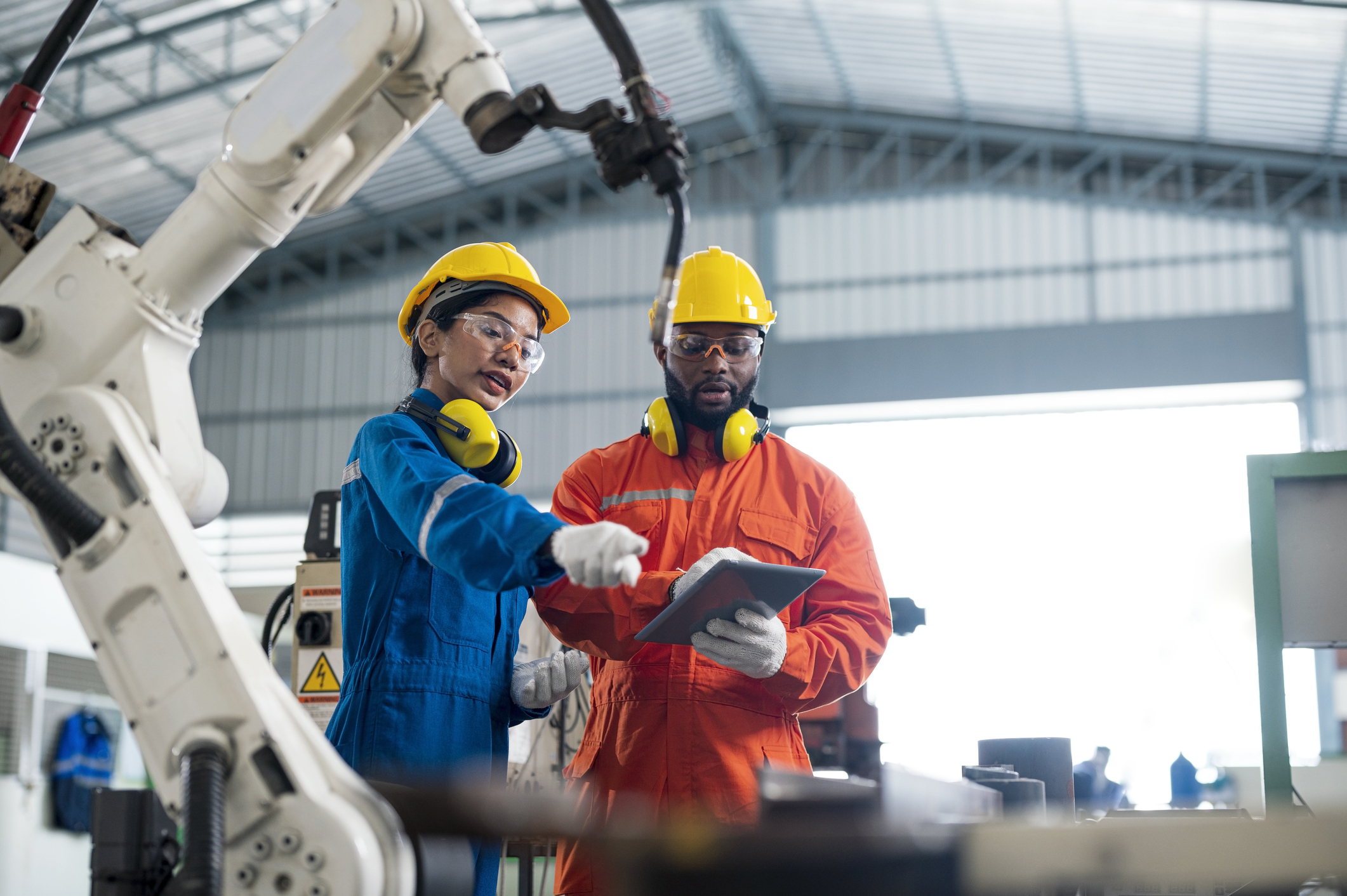
We adapt our assessments, training and recommendations to your industry, workforce, tasks




We adapt our assessments, training and recommendations to your industry, workforce, tasks

Practical solutions that can be implemented and sustained within your actual workplace.

From risk assessment and control design to training, implementation, medical-surveillance coordination
Ergonomics HUB helps organisations create healthier, safer, and more productive workplaces through practical ergonomics consulting and training. We partner with clients as a compliance-and- performance resource, combining technical assessments, training, control design, and audit support to reduce risk and improve day-to-day work.
Our work covers ergonomic risk assessments, workstation assessments, task analysis, training, policy development, medical-surveillance referral support, records management, and compliance audits. Whether you manage an office, call centre, warehouse, healthcare facility, manufacturing environment, or public-sector workspace, we provide solutions that are practical, relevant, and aligned to regulatory requirements.





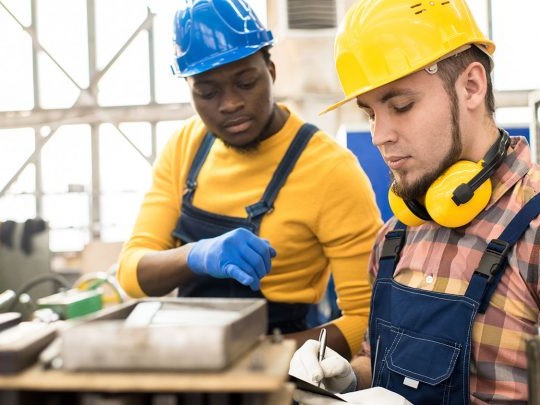
Practical ergonomics awareness for employees, supervisors, office teams and remote workers. Learn to identify risks, improve workstations and prevent common ergonomic problems.

Hands-on technical training for safety teams and high-risk environments, covering risk assessment, manual handling and industrial ergonomics.

Advanced programmes for OHS professionals, managers and compliance leaders covering cognitive ergonomics, programme management and regulatory readiness.





Focuses on human anatomy, biomechanics, and anthropometry (e.g., preventing back strain, repetitive motion injuries, and poor posture)
Focuses on mental processes, perception, and reasoning to reduce mental workload, stress, and information overload
Focuses on optimising systems, policies, work schedules, and communication (e.g., shift patterns, team dynamics).

Ergonomics HUB provided a thorough assessment of our workplace and gave us practical recommendations that were easy to understand and implement. Their professional approach made the entire process simple and valuable for our team.

The training was practical, engaging and relevant to our employees’ daily work. Our team gained a much better understanding of ergonomic risks and how small changes can create a safer and more comfortable workplace.
We appreciated the practical approach taken by Ergonomics HUB. They helped us identify key risks, prioritise corrective actions and develop realistic improvements that support both employee wellbeing and operational performance.
Ergonomics HUB gave us the guidance and support we needed to strengthen our workplace compliance. Their assessments, documentation and recommendations provided a clear foundation for improving our safety processes.



Identify ergonomic hazards, assess exposure and receive prioritised corrective actions to improve workplace safety, compliance and performance.

Improve workstation setup, posture, equipment positioning and working conditions to reduce discomfort and musculoskeletal risks.

Design practical engineering and administrative controls, including workstation, equipment and task redesign.

Practical ergonomics training for employees, supervisors, health and safety representatives and managers.

Coordinate referrals and follow-up with occupational health providers where ergonomic risks indicate a need for medical surveillance.

Maintain audit-ready records, conduct compliance reviews and prepare organisations for workplace inspections.